** Prepare to be mesmerized as the cosmos unveils a breathtaking trifecta of celestial events – fiery shooting stars, a dazzling dance between the Moon and Venus, and a rare Blue Moon to signal the month’s end.
📍 ** Worldwide (Focus on Observation & Astronomy)
**
May promises to be an unforgettable month for stargazers, beginning with the Eta Aquarid meteor shower. Born from the remnants of Halley's Comet, this annual spectacle delivers an astounding 50 meteors per hour under optimal conditions. These celestial streaks, racing through Earth’s atmosphere at 40 miles per second, are a stunning reminder of our place within a larger, dynamic universe, offering a glimpse into the comet’s dusty trail – a cosmic echo of a visitor last seen in 1986. Experts advise seeking dark skies and allowing your eyes to adjust for full effect, revealing the beauty of these fleeting flashes.
The month’s highlights extend beyond just shooting stars, culminating in a remarkable conjunction on May 18th. Just after sunset, the western horizon will alight with a brilliant display as the Moon and Venus align, seemingly embracing one another. The crescent Moon, a helpful beacon, directs your gaze toward Venus, often referred to as the "Evening Star” – a reminder that even the most distant objects can appear incredibly close when viewed from our perspective on Earth. This alignment offers a beautiful connection between human observation and the grandeur of space.
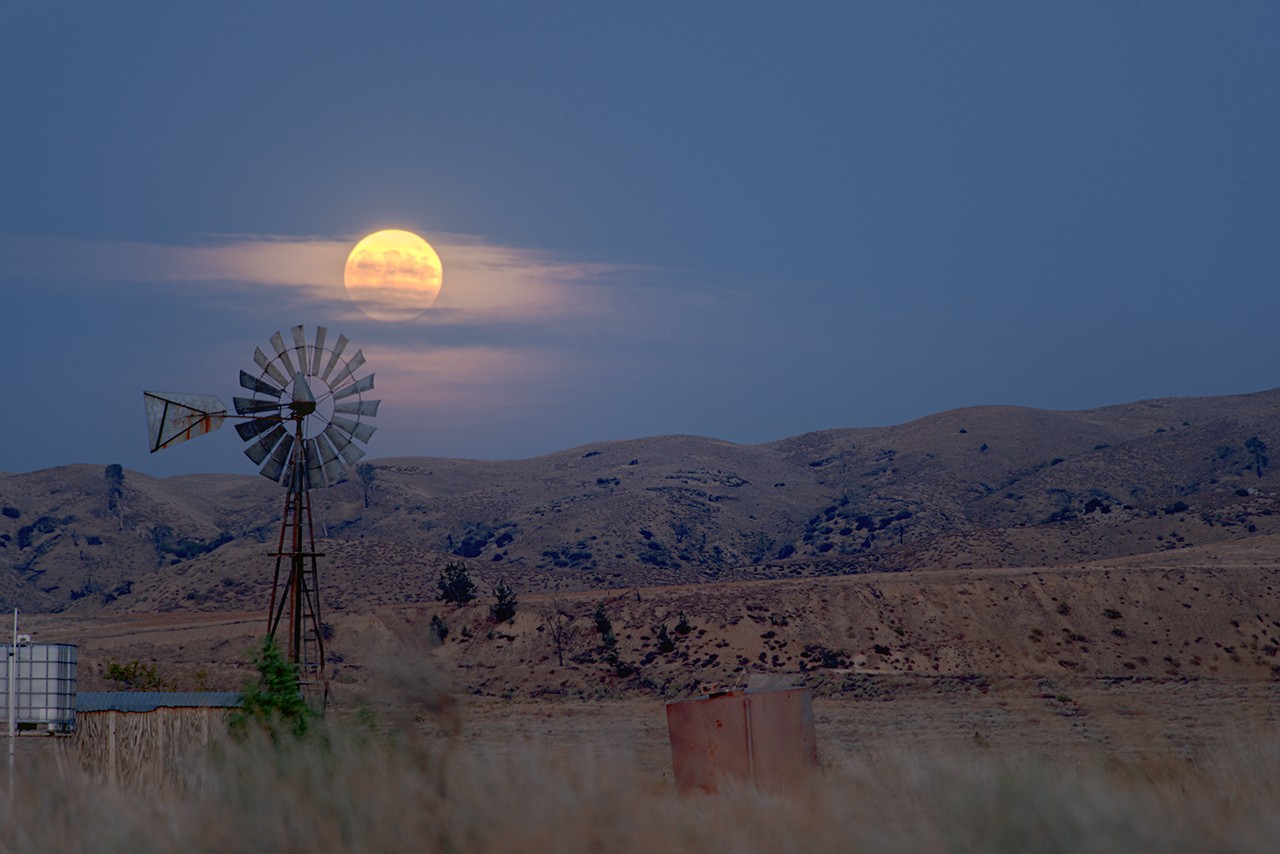
Finally, May concludes with a spectacular Full Moon, a “Blue Moon” – a relatively rare occurrence denoting the second Full Moon within a single calendar month. While the moon won’t appear blue to the naked eye, the term itself evokes a sense of wonder and reinforces the idea that extraordinary events occasionally grace our skies. This celestial finale, coupled with the lingering echoes of meteor showers and lunar encounters, creates a truly captivating opportunity to connect with the universe.
**
Original Source: Link
** #EtaAquarids #BlueMoon #MoonVenusConjunction #MeteorShower #Astronomy #SpaceWeather #NightSky #CelestialEvents