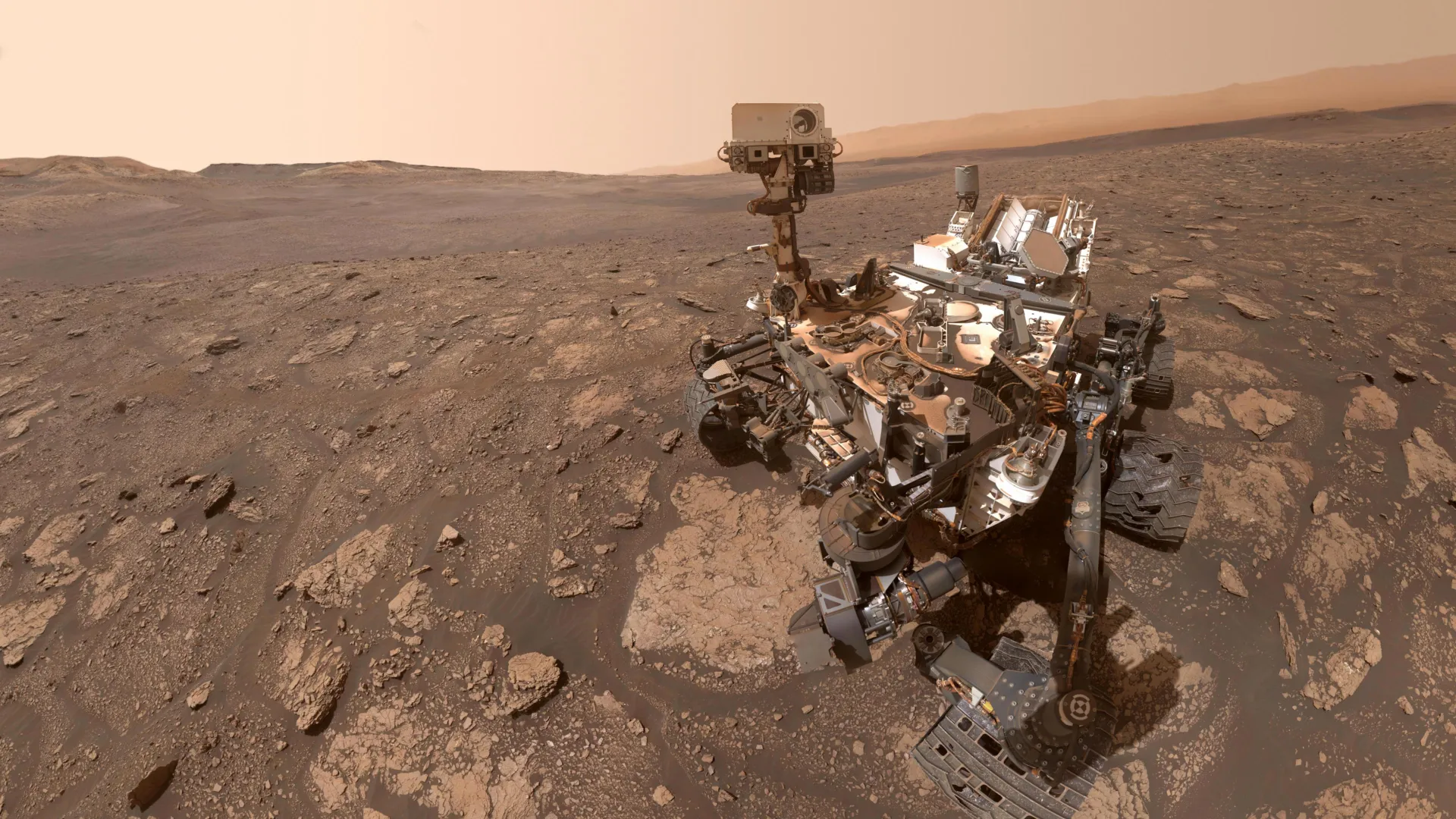
NASA’s Curiosity rover has uncovered a diverse range of organic molecules on Mars, offering a tantalizing glimpse into the planet’s potentially habitable past.
📍 United States, Mars
NASA’s Curiosity rover has made a groundbreaking discovery, identifying a wide array of organic molecules, including compounds considered key to the origins of life on Earth, during a chemical experiment conducted on the Red Planet. This marks the first time such an experiment has been successfully performed on another planet. The findings suggest that the Martian surface possesses the capacity to preserve molecules that could serve as potential indicators of ancient life. However, it's crucial to note that the experiment itself doesn't definitively prove the existence of past life; instead, it demonstrates the possibility of preserved organic material.
The research, led by Dr. Amy Williams of the University of Florida, focused on analyzing organic matter preserved for approximately 3.5 billion years in Gale Crater, a former lake bed where Curiosity landed in 2012. The analysis utilized the Sample Analysis at Mars (SAM) instrument suite, led by astrobiologist Jennifer Eigenbrode at NASA’s Goddard Space Flight Center. The team unearthed over 20 different chemicals, including a nitrogen-containing molecule resembling building blocks of DNA, a discovery never before observed on Mars. They also identified benzothiophene, a sulfur-containing compound frequently delivered to planets by meteorites.
The discovery highlights the importance of clay minerals – abundant in the Glen Torridon region where the experiment took place – in preserving organic material. These clays, formed in the presence of water, effectively trap and shield organic compounds. Scientists emphasize that bringing Martian rock samples back to Earth for detailed study is the only way to truly confirm any evidence of past life, a crucial step that will be undertaken by the Perseverance rover and its future sample return mission.
Original Source: Link
#Mars #NASA #CuriosityRover #Astrobiology #OrganicMolecules #SpaceExploration #LifeOnMars #Geology