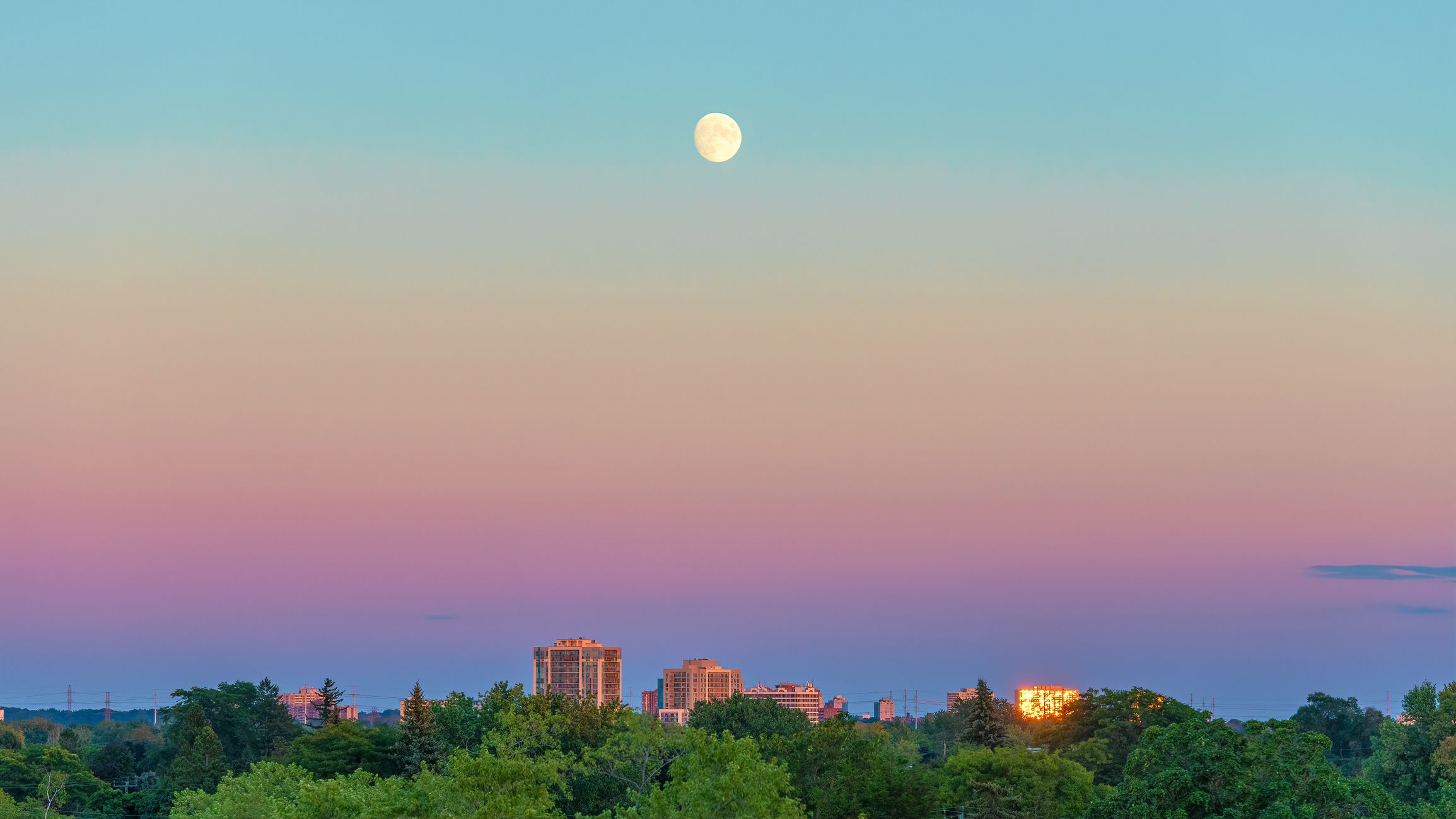
** You don’t need a dark sky to connect with the wonders of the night sky – start with a simple sidewalk session!
📍 ** United States (Implied – based on context and references like “yoga class”)
**
Stargazing doesn’t have to be a complicated, expensive endeavor. The article begins by challenging the traditional notion of needing a perfectly dark location to appreciate the night sky. It emphasizes that simply being aware of the stars and constellations, even in a city, can provide a grounding in learning. The author advocates for a flexible approach, suggesting that planning a full-blown stargazing session with a telescope and dark sky site isn’t always necessary, encouraging even brief, informal observations.
The piece then details a specific, accessible method for engaging with the night sky – sidewalk stargazing. It recommends using dusk as an opportunity to spot easily visible planets like Venus, Jupiter, and the Moon, highlighting that these celestial bodies are often visible even in light-polluted areas. The author explains the concept of the ecliptic and how it relates to the solar system's structure, using a visual analogy of a “fried egg” to make it easier to grasp.
Finally, the article presents a simple, achievable plan for a beginner: a ten-minute nightly scan after sunset, focusing on the moon and its position relative to Venus and Jupiter. The author encourages a hands-on approach, emphasizing the importance of familiarizing oneself with the night sky’s structure before venturing into deeper observation, suggesting a deliberate disorientation of familiar landmarks to sharpen observational skills.
**
Original Source: Link
** #Stargazing #Astronomy #NightSky #Planets #Venus #Jupiter #Moon #SidewalkStargazing #LightPollution