** Thousands of seafarers are stranded in the Persian Gulf amid escalating tensions, exposing critical vulnerabilities in global trade and maritime security.
📍 ** Middle East, Persian Gulf, International (UN)
**
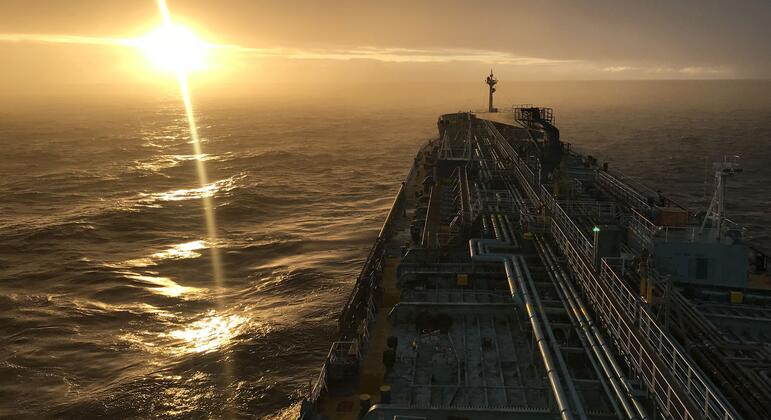
The ongoing conflict between the US and Israel, marked by bombing in Iran, has resulted in approximately 20,000 seafarers stranded on over 2,000 vessels within the Persian Gulf. This vital waterway, bordered by Iran to the north, is currently impassable for commercial shipping due to heightened security risks. The situation underscores the precarious position of seafarers operating in conflict zones.
Secretary-General of the International Maritime Organization (IMO), Arsenio Dominguez, emphasizes the broad scope of maritime security, stating it protects ships, ports, seafarers, and infrastructure from threats including piracy, terrorism, and cyberattacks. Beyond immediate security, it addresses illicit activities such as arms and drug trafficking, wildlife smuggling, and illegal dumping of toxic waste – highlighting a complex web of challenges impacting the maritime environment.
Dominguez believes information sharing is paramount, urging ship operators to conduct thorough risk assessments before voyages through conflict areas. He stresses the importance of diplomacy and de-escalation, while acknowledging the limitations of relying solely on naval escorts. Looking back, Dominguez points to historical events like the Achille Lauro hijacking and the post-9/11 concerns about shipping as vectors for terrorism, alongside the rise of piracy in regions like Somalia, illustrating the evolving nature of maritime security threats.
**
Original Source: Link
** #MaritimeSecurity #Seafarers #PersianGulf #IMO #Shipping #GeopoliticalRisk #TradeSecurity #HormuzStrait