The outbreak on a cruise ship raises concerns, but the virus’s transmission potential differs dramatically from COVID-19.
📍 Perth, Australia
The news of a potential Andes virus outbreak aboard the MV Hondius is understandably prompting anxieties, echoing memories of the devastating COVID-19 pandemic. The situation, reminiscent of the Ruby Princess incident in Sydney, has led to quarantine measures for passengers and crew, highlighting the importance of proactive responses to emerging health threats. However, experts are quick to point out key distinctions between this current situation and the global COVID-19 crisis.
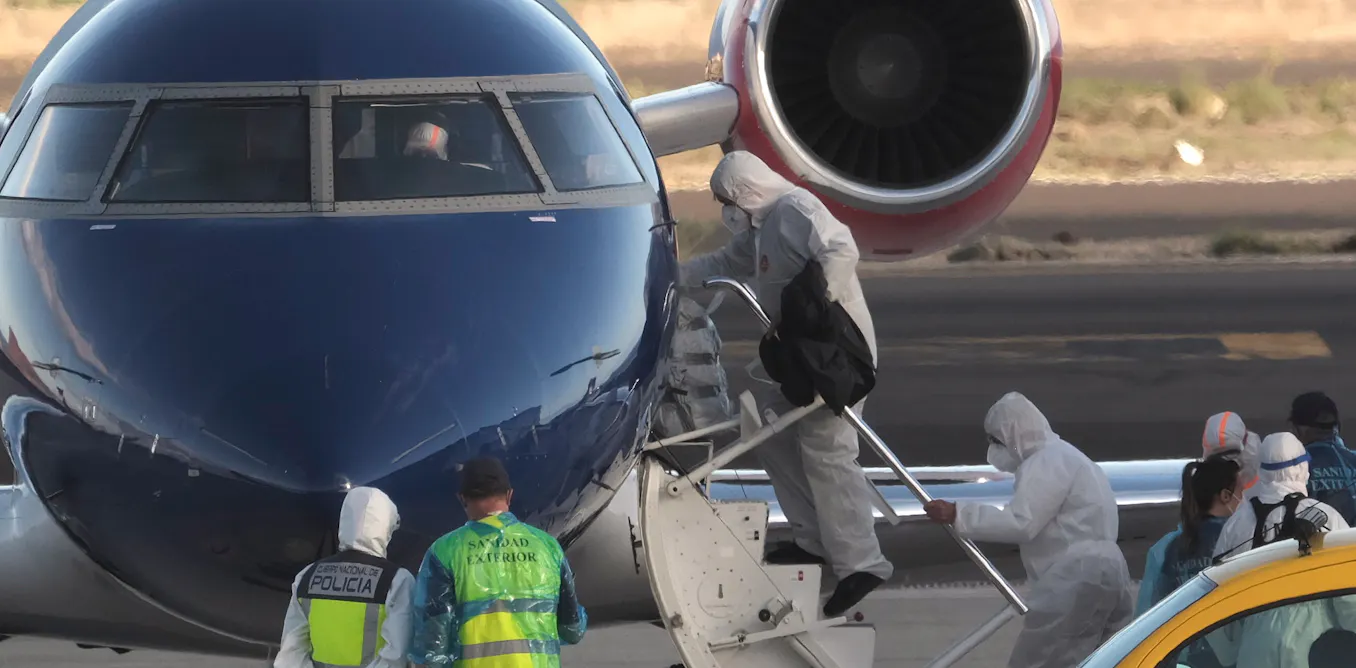
Unlike SARS-CoV-2, the virus responsible for COVID-19, Andes virus is a hantavirus typically spread by rodents. While most hantaviruses don’t transmit directly from person to person, the unique aspect of Andes virus is its ability to spread through human-to-human contact under specific conditions. As of May 11th, nine cases have been identified, including seven confirmed and two probable, with three deaths reported among the passengers. Five Australians and one New Zealander are being repatriated to Australia for quarantine and monitoring, initially isolating at the Centre for National Resilience near RAAF Base Pearce in Western Australia.
The crucial difference lies in the transmission dynamics. Andes virus requires a “perfect storm” – symptomatic individuals in confined, poorly ventilated spaces engaging in close contact over time – to facilitate further spread. This contrasts sharply with SARS-CoV-2, which spreads incredibly efficiently through the air, allowing for widespread transmission before symptoms are even recognized. The early symptoms of Andes virus – fever, headache, muscle aches, nausea, and fatigue – can mimic other illnesses, and in some cases, progress to the more severe hantavirus pulmonary syndrome.
Original Source: Link
#AndesVirus #Hantavirus #CruiseShipOutbreak #PublicHealth #COVIDComparison #Quarantine #RodentBorneDisease #HealthAlert