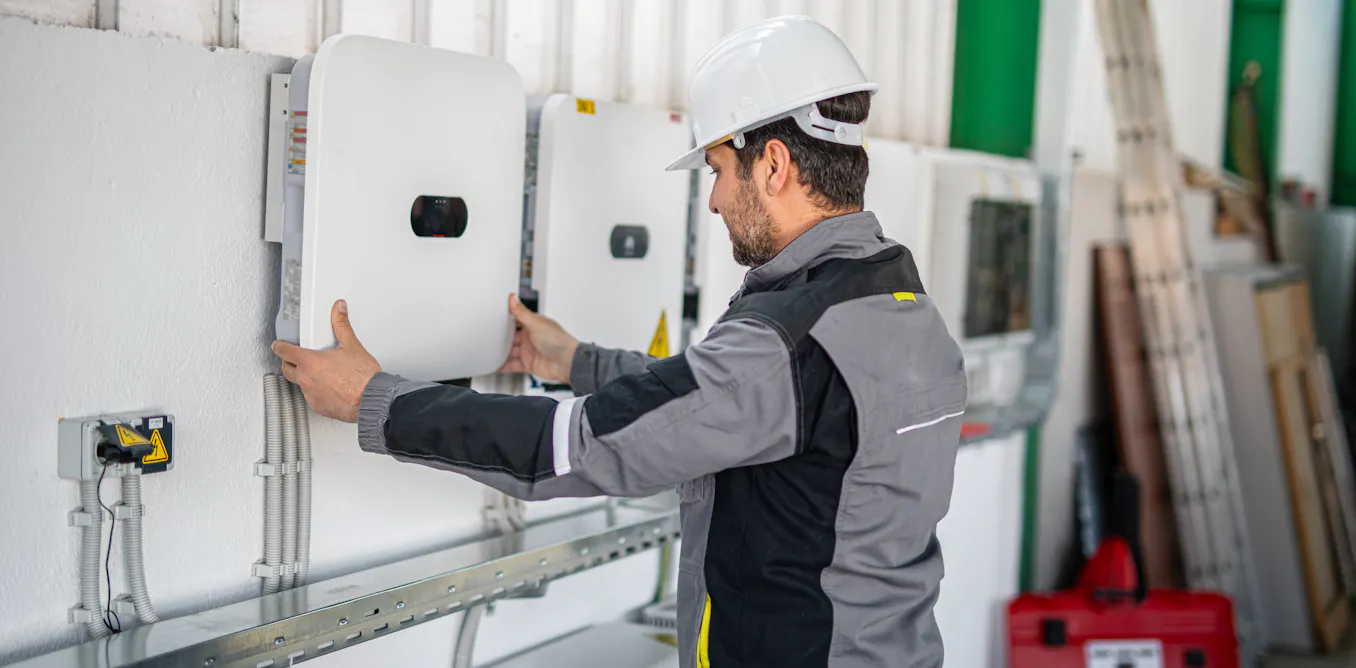
A surge in home battery installations, fueled by government subsidies, is exacerbating energy inequality in Australia’s wealthiest neighborhoods.
📍 Australia, Specifically affluent postcodes in major cities.
Australia is currently experiencing a remarkable “battery rush,” driven by a significant increase in the installation of home energy storage systems. Last week, Energy Minister Chris Bowen announced a staggering figure – over 380,000 home batteries have been installed since July of last year, surpassing the entire installation rate between 2020 and mid-2025. This rapid growth is largely attributable to government subsidies, which effectively reduced the initial cost by approximately 30%, incentivizing homeowners to invest in renewable energy storage. However, this boom is not evenly distributed, raising serious concerns about fairness and access.
Investigations reveal a deeply uneven distribution of these subsidies, primarily benefiting wealthier households residing in affluent postcodes. A recently released, yet unreviewed, working paper highlights a disproportionate rise in both battery and rooftop solar installations within these high-income areas. The “Cheaper Home Batteries” program, lauded by the federal government as an “unprecedented success,” has been criticized for inadvertently rewarding affluent homeowners with substantial financial benefits. The changes to the program, including a reduced subsidy amount and a size-dependent subsidy structure, are intended to address this inequity, but the data suggests similar issues are likely to persist.
Further analysis demonstrates that those who acted quickly – “fast movers” – secured larger subsidies and opted for larger battery capacities, accelerating the trend. This, combined with a doubling of rooftop solar capacity in affluent areas since the program’s launch, mirrors a similar pattern observed with rooftop solar subsidies in 2011, raising concerns that the current scheme risks entrenching energy inequality. Experts warn against repeating past mistakes by relying on “first-come, first-served” schemes, urging a shift towards policies that prioritize equitable access to renewable energy technologies.
Original Source: Link
#HomeBatteries #RenewableEnergy #EnergyInequality #SolarPower #CleanEnergy #Australia #Subsidies #ClimateAction