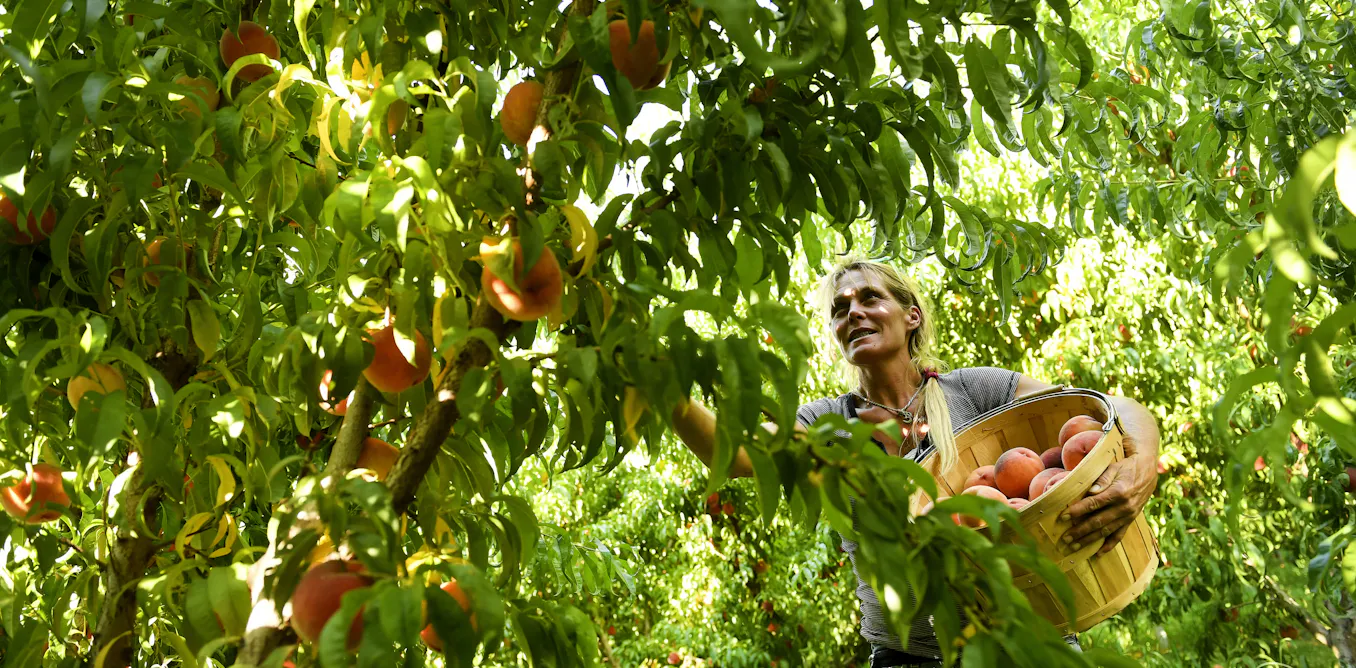
Cytospora canker is decimating Colorado’s prized peach orchards, threatening a multi-million dollar industry.
📍 United States, Western Colorado (Palisade, Orchard Mesa, Grand Junction)
In the heart of western Colorado, the Palisade peach is a symbol of the region, a delicious fruit enjoyed worldwide. However, this treasured crop faces a serious challenge: cytospora canker, a devastating fungal disease. Recent surveys have revealed a shocking reality – virtually every peach orchard in the Orchard Mesa area is infected. The disease manifests in unsettling ways, with the sweet, gummosis oozing from damaged branches, a visible sign of the pathogen's presence. This disease, coupled with other environmental stressors like dwindling water supplies and variable temperatures, poses a significant threat to the future of Colorado’s fruit production.
The economic impact of cytospora canker is substantial, with estimates suggesting at least $3 million in annual losses for growers. The disease’s ability to cripple large branches, reducing peach yields by as much as 50%, dramatically shortens the lifespan of peach trees in Colorado, bringing the average orchard life from 20 years to just 10. Researchers and growers are actively working to combat this threat, developing strategies to mitigate the disease’s spread and support the vital peach industry.
The story of cytospora canker isn't just about a disease; it's about a legacy. Peaches were first planted in Palisade and Grand Junction in 1882, a testament to the resilience of the region’s agricultural heritage. As the disease continues to challenge the industry, innovative solutions and continued research are paramount to ensuring that Colorado's sweet fruit remains a cornerstone of the Intermountain West for generations to come.
Original Source: Link
#CytosporaCanker #ColoradoPeaches #FruitTreeDisease #OrchardManagement #SustainableAgriculture #UtahAgriculture #FarmInnovation #PeachIndustry