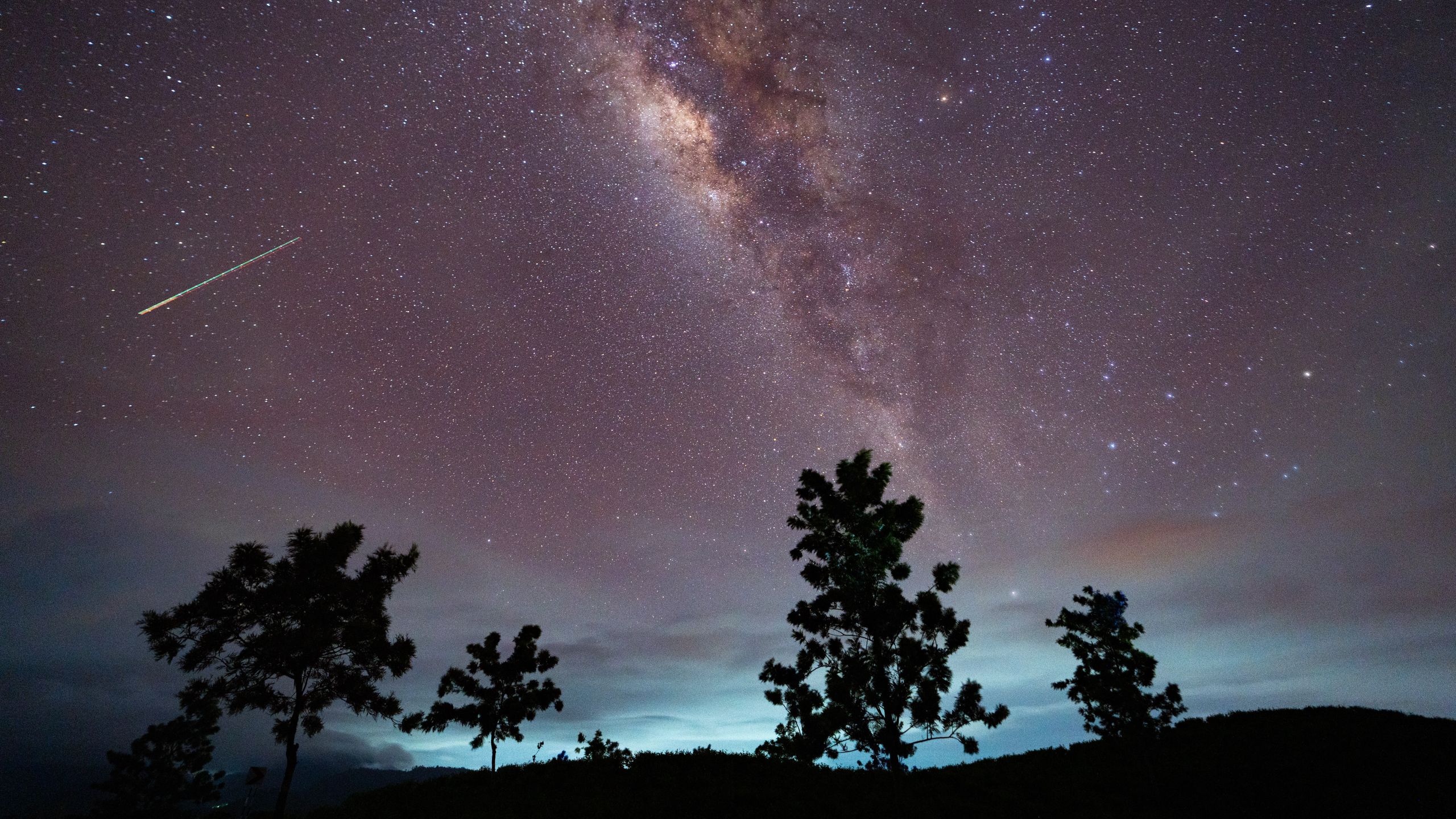
** Prepare to be mesmerized as Earth dances with the remnants of a 76-year-old comet, creating a breathtaking spectacle of shooting stars across the night sky!
📍 ** Global (Focusing on viewing locations)
**
The Eta Aquarid meteor shower is poised to deliver a stunning celestial display, offering a rare glimpse into the aftermath of Halley’s Comet – a cosmic wanderer whose fiery echoes have graced our skies for over 2,000 years. As Earth plows through the debris field left behind by this ancient visitor, tiny particles collide with our atmosphere at incredible speeds, igniting brilliant streaks of light. This isn't just a random shower; it’s a continuous show, with each orbit of Halley's Comet shedding more material, consistently delivering a new wave of shooting stars.
While the peak viewing time – May 5-6 – promises a robust display for Southern Hemisphere observers (potentially up to 50 meteors per hour), those in the North will experience a more subdued, but equally rewarding, experience, around 10-30 meteors. The challenge this year is the full moon, which will wash out fainter meteors. However, seasoned stargazers know that the Eta Aquarids are notorious for producing spectacular "fireballs" – intense bursts of light that can pierce even the brightest moonlight, offering a truly unforgettable moment.
To maximize your chances of seeing this incredible phenomenon, find the radiant point – the origin of the meteors – located in the constellation Aquarius. Utilize a stargazing app to pinpoint this area and then extend your gaze roughly 40 degrees outwards towards the zenith. With a little patience and a clear view of the heavens, you'll be treated to a spectacular show, connecting you to the timeless dance of the cosmos.
**
Original Source: Link
** #EtaAquarids #MeteorShower #SpaceWeather #Astronomy #ShootingStars #HalleyComet #Stargazing #CelestialEvents