** Explore the groundbreaking moments that redefined our understanding of the universe and our place within it.
📍 ** Global, Primarily focused on Astronomy and Space Exploration
**
Humanity's journey to explore the cosmos is filled with remarkable achievements, fueled by a relentless desire to know and discover. From our earliest ventures beyond Earth to the stunning revelations about distant worlds, each “first” has pushed the boundaries of human knowledge. This article highlights four significant moments of discovery unfolding in the northern hemisphere night sky, offering a captivating glimpse into our history of astronomical exploration.
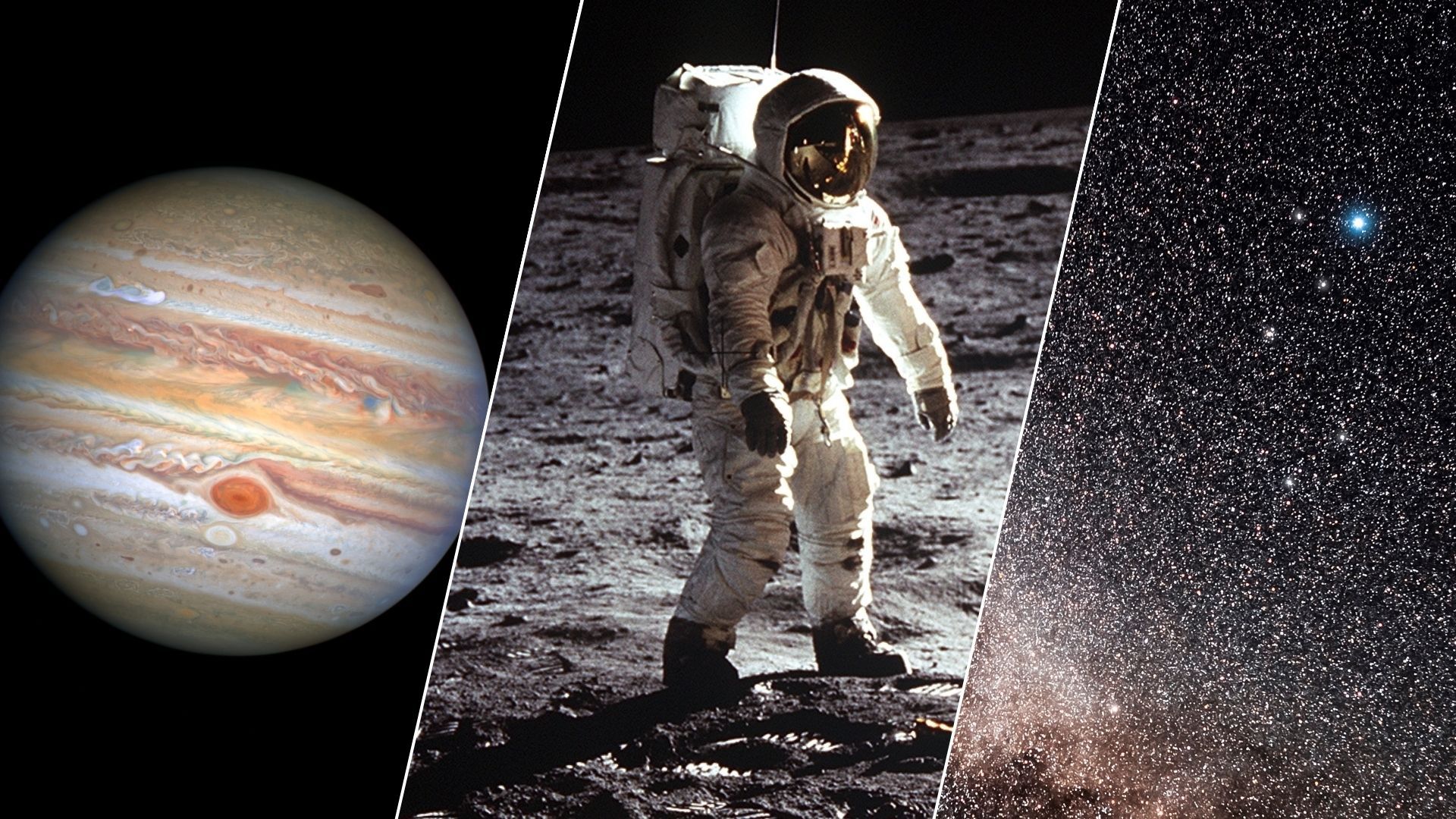
The first major milestone highlighted is the Apollo 11 mission, forever etching July 20, 1969, into human history. The landing of Buzz Aldrin on the lunar surface, marking the first human steps on another world, stands as a testament to incredible technological prowess and unwavering ambition. While the landing site itself is too small to see with the naked eye, dedicated observers can locate the general area of Tranquility Base using a telescope or binoculars, specifically during the weeks leading up to the full moon when the Sea of Tranquillitatis is brightly illuminated.
Beyond the Moon, another monumental discovery occurred in 1995: the confirmation of the first exoplanet orbiting a sun-like star. The discovery of 51 Pegasi b by Michel Mayor and Didier Queloz revolutionized our understanding of planetary systems. This “hot Jupiter,” a giant planet orbiting a star similar to our Sun, provided the initial evidence that planets existed around other stars, fundamentally altering our perspective on the cosmos and paving the way for countless more exoplanet discoveries.
**
Original Source: Link
** #Apollo11 #MoonLanding #Exoplanets #SpaceExploration #Astronomy #NASA #SpaceDiscovery #ScientificFirsts