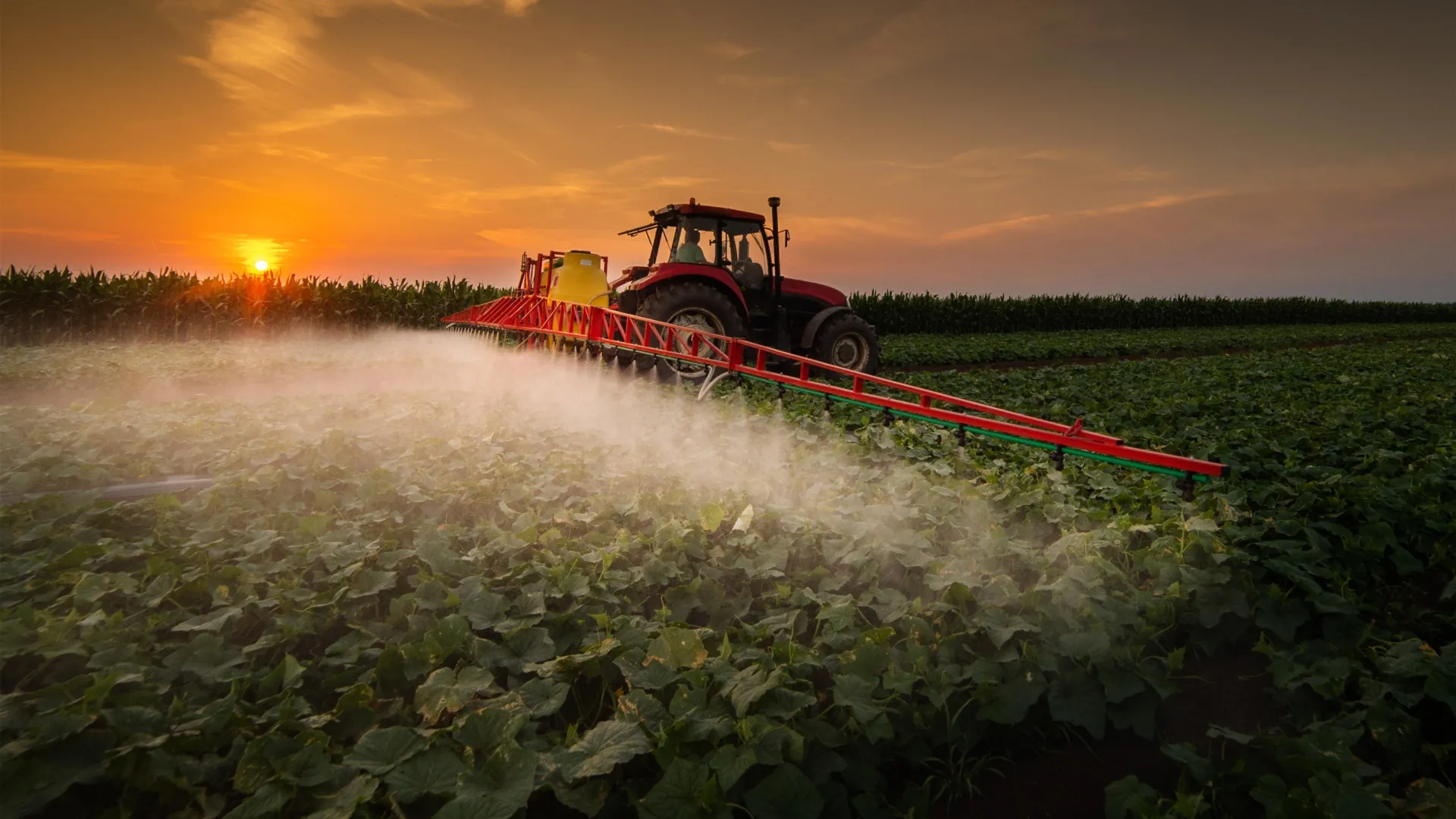
A groundbreaking study reveals a strong connection between agricultural pesticide exposure and increased cancer rates in Peru’s most vulnerable populations.
📍 Peru
A recent study published in Nature Health has uncovered a significant link between environmental exposure to agricultural pesticides and an elevated risk of cancer, particularly within specific communities in Peru. Researchers from the IRD, Institut Pasteur, University of Toulouse, and the National Institute of Neoplastic Diseases (INEN) conducted a comprehensive investigation utilizing environmental monitoring, national cancer registry data, and biological research to gain a deeper understanding of how these exposures contribute to cancer development. This represents a crucial shift from previous research which often focused on individual chemicals in controlled lab settings, failing to accurately represent real-world exposure scenarios.
The study’s unique focus on Peru was driven by the country’s distinctive characteristics. Peru boasts regions with intensive agriculture, a diverse range of climates and ecosystems, and significant social and geographic inequalities – factors that create heightened exposure levels. Notably, Indigenous and rural farming communities face disproportionately high exposure to a complex mixture of pesticides, often averaging 12 different chemicals simultaneously at elevated concentrations. This concentration of exposure is believed to be a key factor in the observed increases in cancer risk.
The research team developed detailed models mapping pesticide dispersion across the country, analyzing 31 widely used pesticides. These models, developed over six years (2014-2019), identified areas with the highest exposure risk, and when compared to cancer data from over 150,000 patients between 2007 and 2020, a clear correlation emerged: regions with greater pesticide exposure experienced significantly higher rates of certain cancers – approximately 150% greater on average.
Original Source: Link
#Pesticides #CancerResearch #EnvironmentalHealth #Peru #RuralHealth #PublicHealth #Ecology #Epidemiology