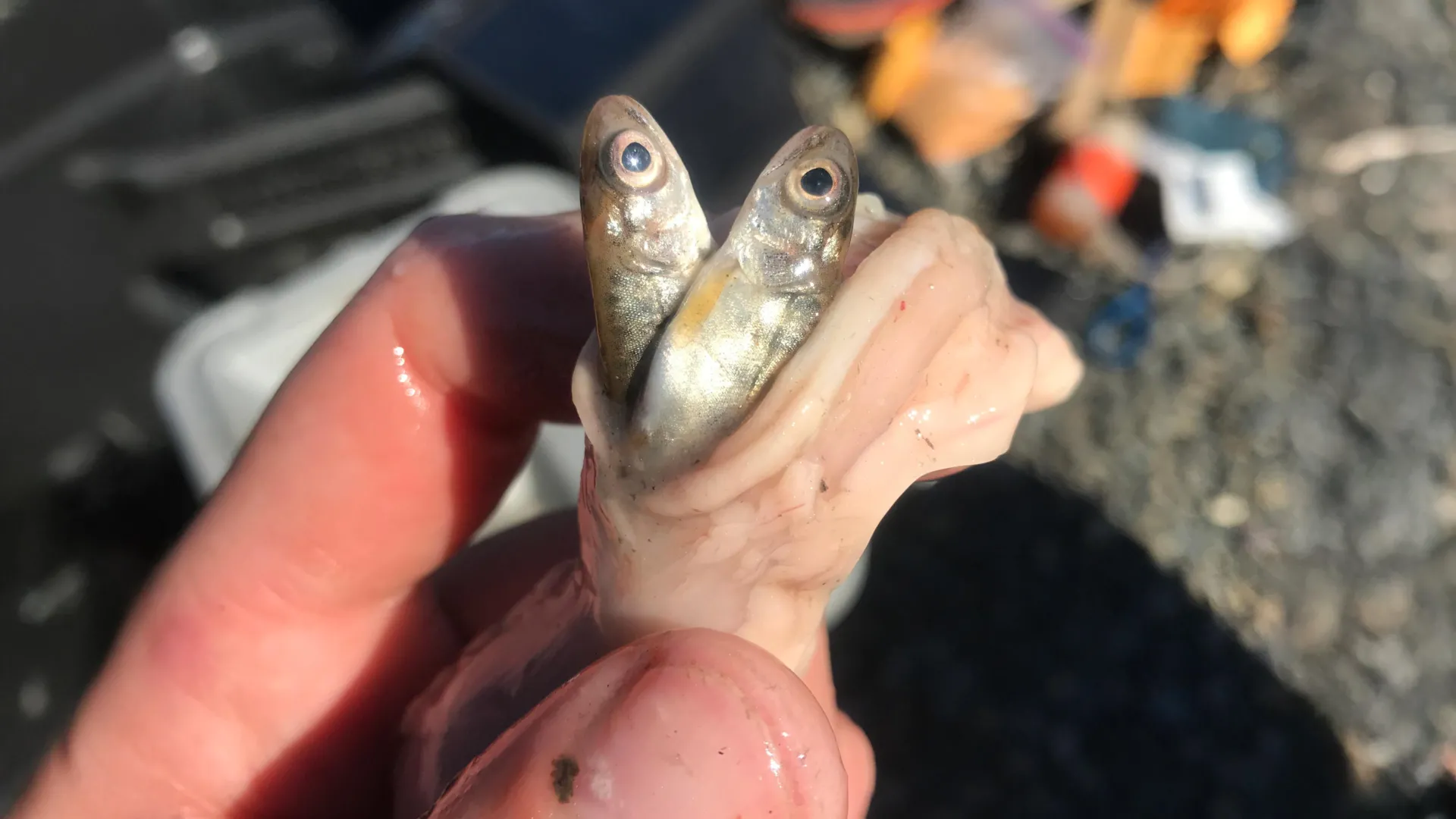
Rising temperatures in a Southcentral Alaska river are driving a noticeable change in the behavior of invasive northern pike, raising significant concerns for native fish populations.
📍 Southcentral Alaska, USA
A recent study by researchers at the University of Alaska Fairbanks (UAF) has uncovered a worrying trend in the Deshka River – rising water temperatures are dramatically increasing the predatory behavior of invasive northern pike. Analyzing stomach contents of the fish collected over two summers (2021 and 2022) alongside samples taken a decade earlier, the researchers found a consistent pattern: as the water warmed, the pike’s consumption of fish increased across all age groups, with particularly striking increases in young pike – year-old fish consuming 63% more fish than their counterparts from 2012. This shift is being linked to the rising air temperatures, which have seen a 3-degree Fahrenheit increase since 1919, with a further 0.8-degree rise in the past decade.
The study's findings highlight a complex ecosystem change. Scientists predict that the warming trend will continue, potentially increasing pike food intake by 6-12% by 2010, further exacerbating the pressure on already vulnerable salmon populations. The decreasing number of Chinook and coho salmon found in the pike’s stomachs is likely a reflection of the overall decline in these species rather than a reduction in predation, adding another layer of worry for researchers. Salmon are already battling the challenges of warmer water, and the increased aggression of the northern pike presents a critical compounding factor.
Experts emphasize that this is just one piece of a larger puzzle. UAF fisheries professor Peter Westley stated, “We know that invasive species and climate are individually associated with freshwater fish extinctions,” suggesting that the combined impact of a warming climate and an aggressive invasive predator could lead to significant freshwater fish extinctions in the future. Researcher Erik Schoen added, "It's crucial to understand these interconnected effects," underscoring the need for comprehensive studies into this complex ecosystem.
Original Source: Link
#InvasiveSpecies #ClimateChange #Salmon #Alaska #FishPredation #EcosystemHealth #ArcticResearch #BiologicalInvasions