Devastating floods in Bangladesh are shattering children’s lives, but innovative programs offer a pathway back to education and opportunity.
📍 Bangladesh, Sylhet City, Haor Wetlands
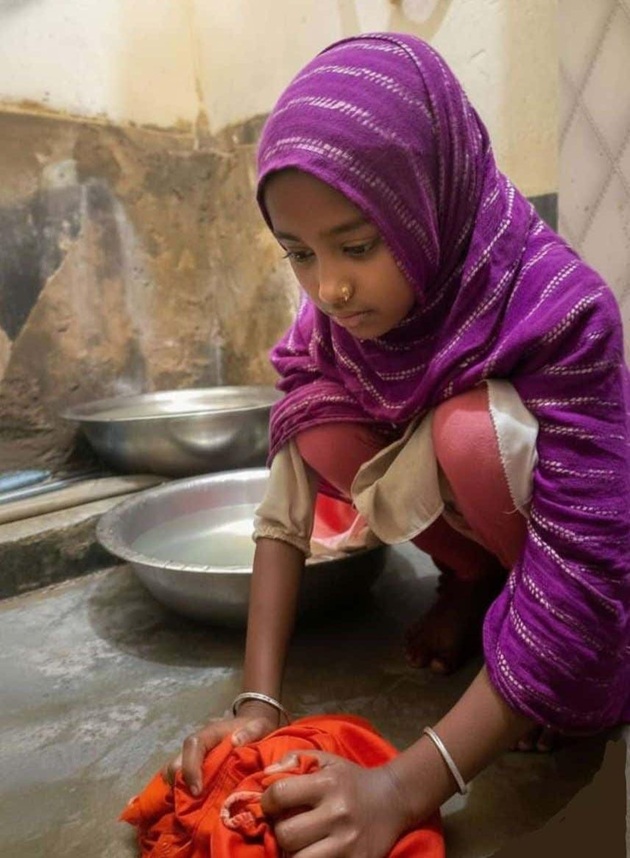
The 2022 floods in Sylhet, Bangladesh, were a catastrophe of immense proportions, leaving a trail of destruction far beyond physical damage. Nine-year-old Jannat’s story is a heartbreaking testament to the human cost of climate change. When the Haor wetlands were submerged, her family’s home, their livelihood, and everything they knew disappeared beneath the water. Forced from their ancestral land and displaced into a crowded slum in Sylhet city, Jannat’s childhood was abruptly stolen. She traded textbooks for scrubbing dishes, and the promise of learning for the immediate need to contribute to her family's survival. This experience mirrored the plight of countless other children, many of whom lost access to education and faced the grim reality of child labor to make ends meet. The scale of the disaster, affecting nearly 7.2 million people, highlighted the urgent need for support and a long-term strategy to address the vulnerabilities exposed by climate-related events.
The crisis wasn’t confined to 2022; a devastating second wave of flooding in 2024 compounded the suffering. Nearly 75% of Sylhet district was submerged, displacing over two million people and further crippling the region. Hundreds of schools were inundated, agricultural lands were destroyed, and the cycle of poverty deepened. The repeated shocks created a dangerous trap for vulnerable families, forcing them into a desperate struggle for survival and increasing the risk of child labor and forced migration. The impact on children was particularly alarming, with UNICEF reporting 1.6 million stranded and countless educational institutions damaged, hindering access to vital learning resources.
However, amidst the devastation, a beacon of hope emerged through the Doorstep Learning Programme (DLP) of UKBET. This program recognized the urgent need to support children trapped in vulnerable situations and proactively brought education and support directly to their communities. DLP identified Jannat and her brother, offering flexible learning support and assisting with family livelihood assistance, helping her return to school and reclaim her future. This small act of intervention underscores the importance of targeted interventions in addressing the long-term consequences of climate disasters and building resilience within affected communities.
Original Source: Link
BangladeshFloods ClimateChange ChildLabor EducationForAll DisasterResponse UKBET CommunityResilience Sylhet